Random number generator is a tool that creates numbers in no particular order. These numbers are completely unpredictable and do not follow a pattern. People use random number generators for many purposes, like games, lotteries, computer programs, or even deciding who gets a turn in a game. The best part about random number generators is that they make things fair and unbiased. Whether you are picking winners for a contest or testing software, a random number generator helps you make decisions quickly without favoritism. Today, random number generators are widely used in technology, research, and fun activities. Even though they sound complex, using them is very simple. You can find many free online random number generators that give you numbers instantly. You don’t need any special skills to use them, and they save a lot of time when you need a random number fast.
Random number generator works using a special system that makes sure every number has the same chance of being picked. Some generators are based on computers and follow mathematical formulas, while others use physical methods like rolling dice or drawing numbers from a hat. These tools are useful for schools, businesses, and online games. For example, teachers can randomly choose students to answer questions, and companies can select winners for prizes without cheating. In computer science, random number generators are very important for coding programs and creating simulations. They also help in cryptography to keep data safe. Using a random number generator is simple, but it has many powerful uses. By understanding how they work, you can use them to make fair decisions, solve problems, and even have more fun with games or contests.
Table of Contents
Random Number Generator: How It Works and Why You Should Use It
Random number generator is a tool that creates numbers in no particular order. These numbers are completely unpredictable and do not follow any pattern. People use random number generators for many purposes, such as games, lotteries, online draws, computer programs, or even deciding who gets a turn in a game. The best part about random number generators is that they make things fair and unbiased. Whether you are picking winners for a contest or testing software, a random number generator helps you make decisions quickly without favoritism. Today, random number generators are widely used in technology, research, and entertainment. Even though they sound complex, using them is very simple. You can find many free online random number generators that give you numbers instantly. You don’t need any special skills to use them, and they save a lot of time when you need a random number fast.
Random number generator works using a special system that ensures every number has the same chance of being picked. Some generators are computer-based and use mathematical formulas, while others rely on physical methods like rolling dice or drawing numbers from a hat. These tools are useful for schools, businesses, and online platforms. For example, teachers can randomly choose students to answer questions, and companies can select winners for prizes without cheating. In computer science, random number generators are crucial for coding programs, running simulations, and even in cybersecurity to protect data. Using a random number generator is simple, but it has many powerful uses. By understanding how they work, you can use them to make fair decisions, solve problems, and even enjoy games or contests more effectively.
What is a Random Number Generator?
A random number generator (RNG) is a tool or system designed to produce numbers that have no predictable pattern. Unlike counting or following sequences, RNG numbers are completely random. Computers often use something called a “pseudo-random” method, which is based on formulas but appears random. Physical RNGs, like dice or lottery machines, create true randomness using physical objects. Random number generators are everywhere, from simple apps on your phone to major computer programs. They are essential for fairness, especially in games, competitions, and research. Without RNG, many processes would become predictable, unfair, or even useless.
Types of Random Number Generators
There are mainly two types of random number generators:
- True Random Number Generator (TRNG):
These generators rely on physical processes, like coin flips, dice rolls, or atmospheric noise. They are truly unpredictable and cannot be recreated. TRNGs are used in lotteries, raffles, and some scientific experiments. - Pseudo-Random Number Generator (PRNG):
These are computer-based and use mathematical formulas to generate numbers that appear random. While they are not truly random, PRNGs are very fast and sufficient for most applications like online games, software testing, and simulations.
How Random Number Generator Works in Computers
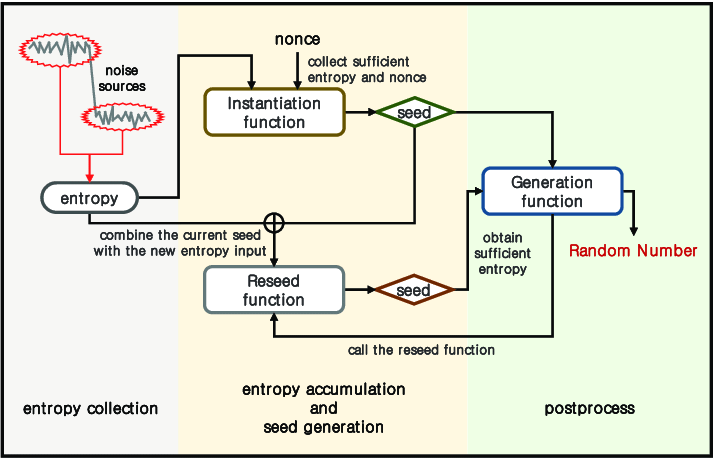
Computer-based random number generators start with a value called a “seed.” The seed is used in a mathematical formula to generate a series of numbers. These numbers seem random because they are unpredictable without knowing the seed. PRNGs are widely used because they are fast, reliable, and easy to implement. Examples include online games, computer simulations, cryptography, and more. Although these numbers are technically predictable if the seed is known, for most practical purposes, they are random enough to be used safely
Random Number Generator for Games and Entertainment
Random number generators are very popular in games. Online games, lottery apps, and board games use RNG to make gameplay fair and exciting. For example, dice rolls in online board games or loot drops in video games are controlled by RNG. This ensures that every player has an equal chance and that outcomes are not biased. Even simple apps that pick a random number between 1 and 100 for fun are based on random number generator logic.
Using Random Number Generator in Education
Teachers and educators use random number generators to make classroom activities fair. For example, they can randomly choose students for answering questions, selecting groups for projects, or even assigning topics. This helps in reducing bias and making learning more engaging. Random number generators save time and create a sense of fairness in classrooms, especially when dealing with large groups of students.
Random Number Generator in Research and Science
In scientific research, random number generators are often used in experiments and simulations. For instance, researchers use RNG to randomly assign participants to different groups in a study. This ensures unbiased results and reliable conclusions. In computer simulations, RNG helps model real-world scenarios, like predicting weather patterns, financial trends, or testing software performance. Without RNG, many experiments would not be statistically valid.
Random Number Generator in Technology
Random number generators are key components of computer technology and cybersecurity. They help in encrypting data, generating passwords, and securing online transactions. For example, websites and apps use RNG to generate OTPs (One Time Passwords) that are unpredictable. RNG also plays a vital role in coding programs, simulations, and online platforms, making technology more secure and reliable.
Fun Ways to Use Random Number Generator
Using a random number generator can also be fun. You can use it to:
- Pick a random game to play.
- Choose a restaurant for dinner.
- Decide who goes first in board games.
- Generate random passwords.
- Run small contests or giveaways among friends.
By using RNG, even simple daily decisions become more fun and fair.
Tips for Choosing the Best Random Number Generator
When choosing a random number generator, consider these tips:
- Check if it is easy to use and user-friendly.
- Ensure it provides truly random or high-quality pseudo-random numbers.
- Look for online generators that are free and reliable.
- For critical tasks like research or security, prefer trusted software or TRNGs.
A good random number generator should be fast, fair, and accurate for your needs.
Common Mistakes to Avoid with Random Number Generators
- Assuming all random number generators are the same.
- Using a weak generator for sensitive tasks like passwords.
- Not understanding the difference between TRNG and PRNG.
- Relying on random numbers without testing their fairness in simulations.
Avoiding these mistakes ensures that you get accurate, fair, and reliable results from your random number generator.
Conclusion
Random number generators are simple yet powerful tools that make life fair and fun. From online games to classroom activities, research, and cybersecurity, RNGs are used everywhere. They ensure unbiased results, save time, and make decision-making easy. Whether you are using a true random number generator or a computer-based one, understanding how they work helps you use them effectively. So next time you need to pick a number or make a fair choice, a random number generator is the best helper you can have.
FAQs
Q1: What is a random number generator?
A random number generator is a tool or system that produces numbers without any predictable pattern.
Q2: Are all random number generators the same?
No. There are true random number generators (TRNG) and pseudo-random number generators (PRNG). TRNGs are physically random, while PRNGs use computer formulas.
Q3: Where are random number generators used?
They are used in games, lotteries, research, education, computer simulations, cryptography, and online platforms.
Q4: Can a random number generator be unfair?
Yes, if the generator is not reliable or poorly designed. Always use trusted RNGs for important tasks.
Q5: How can I use a random number generator at home?
You can use it to pick random numbers for games, decide turns, generate passwords, or run small contests.