
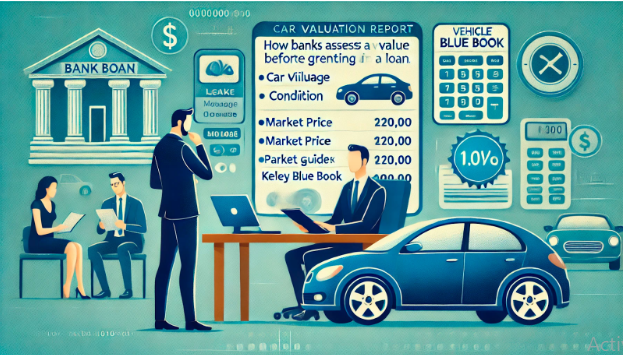
Car valuation has become a must-know skill for anyone buying, selling, or trading a vehicle. With market prices changing quickly, knowing the exact worth of your car helps you stay confident and avoid costly mistakes. This guide explains every major factor, method, and tool involved in accurate car valuation so you always stay one step ahead.
Table of Contents
What Is Car Valuation and Why It Matters
Car valuation refers to the detailed process of estimating a vehicle’s current market worth. It helps buyers negotiate fairly and sellers set the right price. Since this value shifts with demand, condition, and features, knowing it in advance prevents confusion and supports smart financial decisions.
Car valuation also offers clarity during insurance claims, bank financing, and trade-ins. Although many people guess values, depending on real data delivers accuracy. Therefore, using professional methods ensures better pricing and reduces risks during transfers, payments, or negotiations.
Key Factors That Influence Car Valuation
Several elements create a strong impact on car valuation, and understanding each one leads to more accurate results. Since mileage plays a major role, vehicles with lower usage often receive higher prices. Condition also matters, especially when buyers compare wear, repairs, and maintenance history.
Brand reputation influences value as well, especially when certain manufacturers hold long-term reliability. Market demand shapes pricing too, because popular models rise while slow-selling ones fall. Additionally, color, fuel type, modifications, and safety options contribute to final valuation scores.
How Market Trends Shape Car Valuation
Market trends shift constantly, and these changes reshape car valuation every month. When fuel prices rise, fuel-efficient cars often gain more value. When new models launch, older versions slightly drop. However, rare models or discontinued favorites may climb due to increased demand.
Economic conditions matter too. During slow economies, buyers seek affordable vehicles, which raises demand for used cars. Meanwhile, seasonal changes also influence prices. For example, SUVs usually rise before winter, while convertibles become more popular before summer.
Car Valuation Methods Used by Professionals
Professional car valuation relies on established techniques. The most common method compares similar vehicles currently listed in the market, which ensures fair pricing. Another method analyzes historical sales data to predict accurate values based on patterns.
Additionally, advanced valuation tools use algorithms to calculate values based on condition, mileage, and demand. Trade-in valuation offers another approach, because dealerships often provide fixed ranges based on brand standards. With these methods combined, accuracy increases significantly.
How to Perform a Car Valuation Yourself
Performing car valuation on your own becomes easier when you follow specific steps. Start by inspecting your car thoroughly, because honest assessment leads to better accuracy. Then compare your findings with similar cars listed in your region. Although prices differ, patterns reveal the right range.
After that, check mileage brackets, as they create a major difference in valuation. Then evaluate upgrades or issues, since these raise or lower the final number. Lastly, use an online valuation tool to verify your results. Combining methods ensures stronger confidence.
Car Valuation for Buying a Vehicle
Car valuation helps buyers avoid overpaying. Since sellers often list cars above their real value, using an accurate valuation makes negotiations easier. By comparing market listings and analyzing condition levels, buyers stay prepared and more confident during discussions.
Additionally, valuation highlights hidden issues, because large price differences usually point to problems. Therefore, buyers can request inspections or adjustments. With proper valuation, the entire buying process becomes transparent, structured, and financially safe.
Car Valuation for Selling a Vehicle
When selling a car, valuation determines the ideal listing price. Since buyers compare many options, setting a competitive amount improves visibility and boosts interest. By understanding your car’s strengths, condition, and market demand, you can position it correctly from the start.
A proper valuation also prevents underselling, which protects your financial return. When the price aligns with the market, serious buyers respond faster. Eventually, accurate valuation speeds up negotiations and supports stronger decision-making.
Improving Your Car’s Valuation Before Selling
Although car valuation depends on several fixed factors, you can still improve your vehicle’s worth. Begin with a full cleaning, because appearance strongly affects first impressions. Then repair minor issues like lights, scratches, and tires. Even small fixes boost value significantly.
Additionally, gather service records, since proof of maintenance increases buyer trust. Upgrading worn interior items also helps. Although major modifications rarely increase value, subtle enhancements make the car more appealing. These small steps lead to better offers.
How AI and Digital Tools Improve Modern Car Valuation
AI-powered tools now play a major role in accurate car valuation. They analyze real-time data, compare thousands of listings, and calculate values instantly. Therefore, users experience faster results and better precision. Since these tools process trends quickly, valuations stay updated at all times.
Digital platforms also allow image analysis to detect wear, dents, and color fading. These features reduce guesswork and help users make informed decisions. With AI expanding, modern car valuation keeps improving in accuracy and reliability.
Common Mistakes to Avoid During Car Valuation
Several mistakes reduce accuracy during car valuation, so avoiding them leads to better results. Many people rely on guesswork, which creates unrealistic expectations. Others compare with the wrong model variants, which produces incorrect pricing.
Some ignore mileage adjustment, even though it affects value strongly. Additionally, skipping condition assessment leads to over- or underpricing. Therefore, using structured methods always delivers more reliable outcomes.
Conclusion
Accurate car valuation empowers you to make strong, informed, and profitable decisions. Whether you are buying, selling, or trading a vehicle, the right valuation protects your investment and supports smooth negotiations. Start using reliable methods today, compare your results carefully, and make every car decision smarter and more successful.
FAQs
1. How often should I check my car valuation?
You should check it every few months, especially before selling, trading, or renewing insurance.
2. Does mileage affect car valuation the most?
Yes, mileage creates a major impact, because it indicates usage and future maintenance needs.
3. Can modifications increase car valuation?
Most modifications do not increase value. However, safety upgrades and essential replacements may help.
4. Why do online car valuation tools show different results?
Each tool uses its own data sources and algorithms, which creates slight differences in values.
5. What is the best way to improve car valuation quickly?
Fix minor issues, clean the car, update records, and ensure everything functions smoothly.