Meta Description
Currency exchange isn’t just for travelers. It influences How Currency Exchange online shopping, subscriptions, and even household budgets. Discover how exchange rates shape daily life in surprising ways.
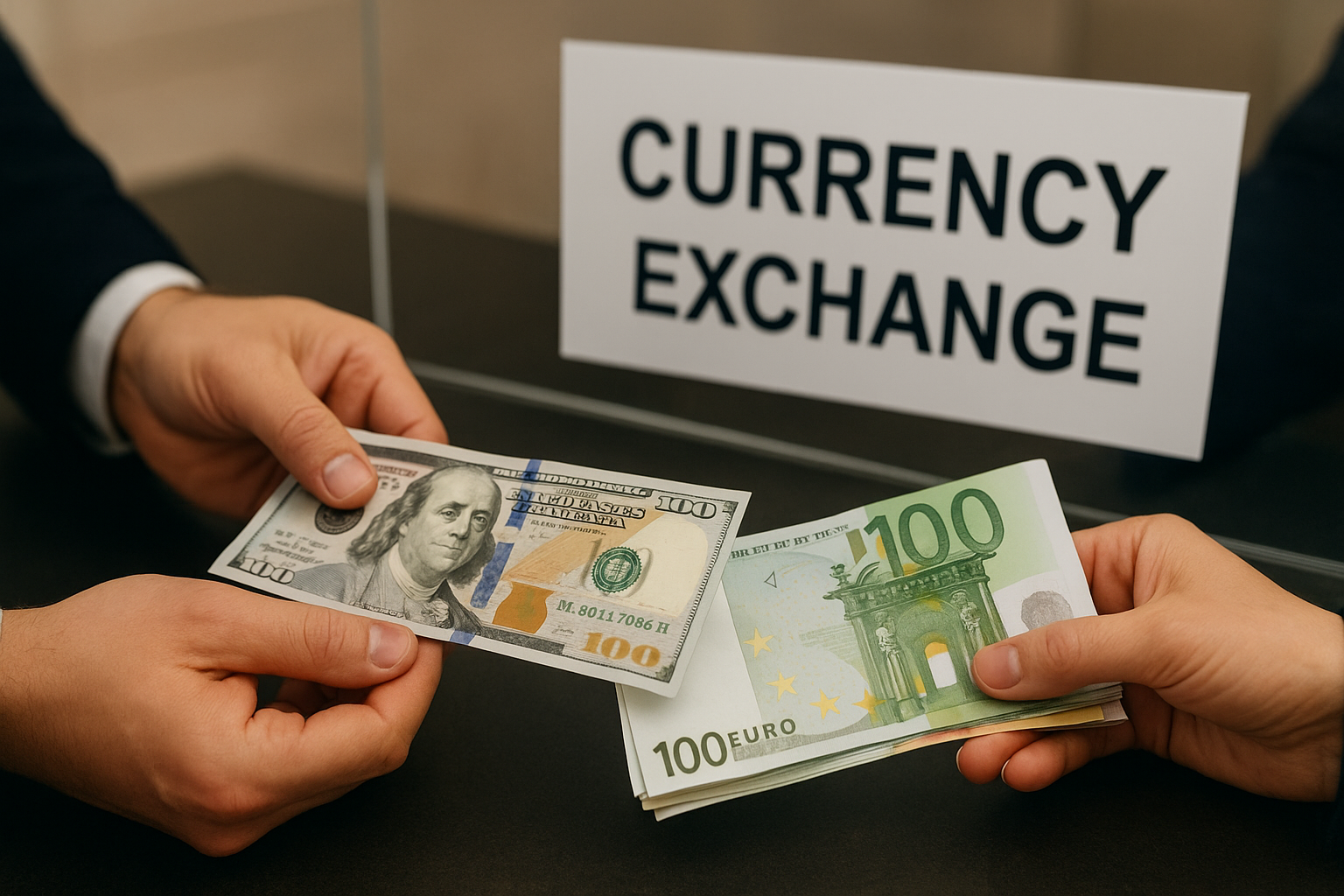
When most people hear “currency exchange,” they think of an airport kiosk or a quick Google search before a trip. However, currency exchange affects our daily lives more than many realize. Whether you’re planning your next vacation, ordering online, or following global news, exchange rates quietly influence our choices and spending.
Let’s explore how these value changes ripple through everyday experiences, often in unexpected ways.
Travel Budgets and the Real Cost of Adventure
Traveling to another country offers one of the most noticeable experiences with currency exchange. If you’ve ever checked your bank statement after returning from vacation, you may have seen how the prices of meals, souvenirs, and hotel stays fluctuate based on the exchange rate at the time.
Consider planning a trip from the UK to Japan. If the pound is strong against the yen, your travel budget stretches further. Your money buys more meals, train tickets, or maybe that extra night at a ryokan you wanted. But if the pound weakens, the same trip can suddenly seem much more expensive, even if local prices haven’t changed.
Smart travelers often track exchange rates in the months leading up to their trips. A small change in rates can mean the difference between indulging in experiences or cutting back. Apps, banking platforms, and even a quick scan of a QR code at a currency booth now make tracking and exchanging money much simpler than before.
Online Shopping Across Borders
It’s not just travelers who feel the impact of currency fluctuations. Anyone shopping online from international retailers encounters the surprise of a checkout price that seems reasonable at first but changes once converted to your local currency.
For example, if you order clothes from a U.S.-based store while living in the UK, a strong pound might mean a good deal. But when the pound dips, that same order could cost significantly more once your card processes the payment. Add in shipping and possible customs fees, and what seemed like a bargain may end up feeling overpriced.
That’s why many global e-commerce companies now show prices in multiple currencies upfront. By providing a built-in converter or a scannable QR code linked to exchange tools, they aim to reduce confusion and keep customers satisfied. Still, behind the user-friendly interface, real-time exchange rates influence what people buy and where they shop.
Everyday Banking and Subscriptions
Currency exchange also affects how we pay for everyday services, especially with more international subscriptions. Think about streaming platforms, online courses, or cloud storage. Many of these services bill in U.S. dollars. If you’re paying from another country, exchange rates determine the true monthly cost.
Over time, even small changes add up. A subscription that feels affordable one year could rise the next, not because the company increased prices, but because the local currency lost value. This subtle shift impacts household budgets worldwide, yet it often goes unnoticed until bank statements tell a different story.
Small Businesses and Side Hustles
For small business owners, freelancers, and side hustlers, currency exchange can feel personal. If you sell products online or work with international clients, getting paid in foreign currency means your income isn’t fixed. A strong local currency might reduce your payout, while a weaker one could increase it.
Freelancers on global platforms often closely monitor conversion rates, timing withdrawals to maximize earnings. Similarly, small online shops may adjust prices based on customer location. In a world where selling abroad is easier than ever, understanding currency exchange is essential for staying profitable.
How Global Events Influence Local Prices
The daily impact of exchange rates goes beyond travel and shopping. Global events, from political elections to natural disasters, can shake investor confidence and cause currencies to rise or fall overnight. When that happens, prices at home can change too.
For instance, shifts in oil prices often connect to the strength of the U.S. dollar. If your country imports oil, a weaker local currency could lead to higher petrol prices at the pump. Even food costs can be affected, especially for items sourced internationally. In this way, exchange rates subtly impact what we pay at supermarkets, restaurants, and gas stations without most people realizing the connection.
Making Exchange Work for You
The good news is that once you’re aware of these dynamics, you can take steps to use exchange rates to your advantage. Travelers might pre-purchase some foreign currency when rates are favorable. Online shoppers can compare prices across websites in different currencies to find the best deal. Freelancers can negotiate contracts in more stable currencies to protect their income.
Banks and apps offer tools that make this easier, with features like automatic currency alerts or locked-in exchange rates for future purchases. A little planning can help you manage this unpredictable factor more confidently.
A Hidden Force in Daily Life
Most of us don’t think about currency exchange until it’s right in front of us at an airport kiosk or checkout screen. Yet it’s always there, shaping how we spend, save, and earn. From vacations that seem more affordable one year to subscriptions that quietly get pricier the next, exchange rates touch nearly every aspect of modern life.
By paying closer attention to this hidden force, we gain financial awareness and a clearer understanding of how our local lives connect to the global economy. In an increasingly interconnected world, that knowledge is valuable.
FAQs About Currency Exchange in Daily Life
1. Why do exchange rates change so often?
Exchange rates fluctuate based on global supply and demand, political events, economic policies, and investor confidence. Even small news stories can cause noticeable shifts.
2. How can I save money on currency exchange when traveling?
Monitor exchange rates before your trip, consider pre-purchasing foreign currency, and avoid high-fee exchanges at airports when possible.
3. Does online shopping always involve exchange rates?
Yes, if you buy from an international retailer. Your bank or card provider will convert the cost into your local currency, which may include fees and rate differences.
4. Can freelancers protect themselves from exchange rate losses?
Yes, many negotiate payments in stable currencies like U.S. dollars or euros or use digital wallets and banking apps that offer better conversion rates.
5. Where can I learn more about how currency exchange works?
For a deeper dive into the mechanics of exchange rates, check out Wikipedia’s overview of foreign exchange markets.